
 System
 Light
Light Dark
DarkJSON Schema Conference 2025 Wrap-Up: The Language Beneath Modern Systems
 Go back to blog
Introduction
Following the success of last year’s inaugural JSON Schema conference track at APIdays Paris 2024, JSON Schema Conference 2025 returned for its second edition, bringing together maintainers, developers, enterprise teams, tooling builders, researchers, and open source contributors to explore the growing role of JSON Schema across APIs, AI systems, databases, developer tooling, IoT, and modern software infrastructure.
Last year’s conference established an important milestone for the ecosystem by creating a dedicated space for deeper discussions around schema design, interoperability, validation, and tooling. The 2024 edition highlighted recurring themes around AI-assisted development, schema-driven APIs, interoperability, and the increasing importance of open standards in modern systems. The 2025 conference built on that momentum while expanding the conversation into enterprise adoption, structured AI generation, metadata systems, developer experience, and long-term ecosystem sustainability.
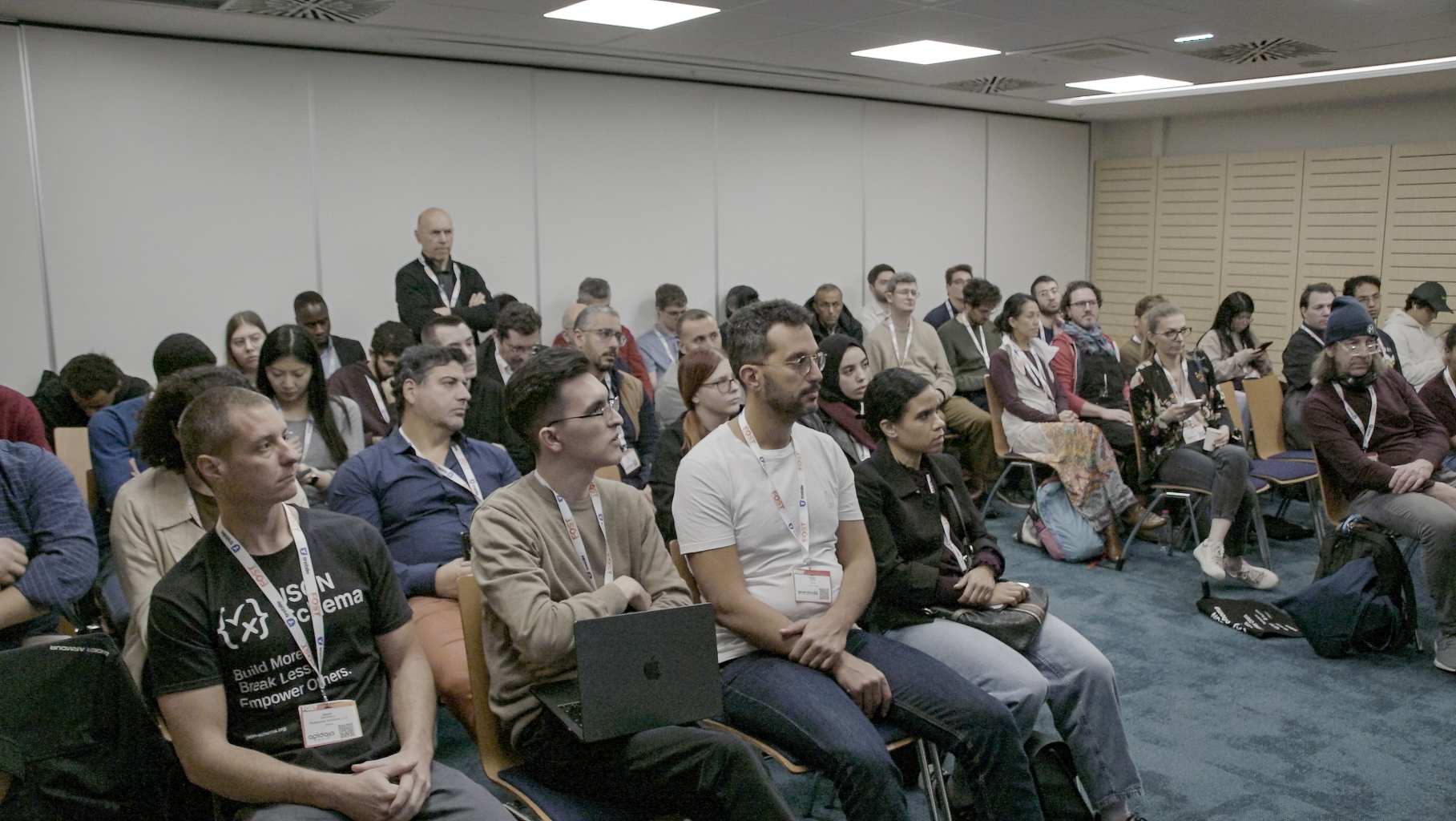
As part of the broader APIdays Paris ecosystem, the conference also continued its collaboration with the wider open standards community. The Open Standards booth was shared alongside communities and initiatives including OpenAPI, AsyncAPI, and other open standards projects, reinforcing the growing alignment between specifications working toward better interoperability, developer experience, and machine-readable systems across the modern API landscape.
JSON Schema Conference 2025 was made possible through the support of sponsors including Sourcemeta, Siemens AG, Oracle AI Database, .txt, and Remote. Their support helped fund speaker logistics, travel coordination, venue operations, merchandising, networking activities, community experiences, ecosystem visibility, and the overall planning and coordination efforts required to deliver the conference.
The Evolution of JSON Schema
The conference opened with Jason Desrosiers, JSON Schema Specification and Tooling Architect at Hyperjump Software, Inc, presenting “JSON Schema v1 — No More Drafts.” The session explored the future direction of JSON Schema and addressed one of the ecosystem’s longest-standing concerns around drafts, versioning, and compatibility. The proposed v1 direction introduces a more stable and predictable evolution model aimed at reducing migration friction while giving users greater confidence in long-term schema maintenance.
The focus on scalability and maintainability continued through discussions around composition and modular schema design, reinforcing the importance of reusable schema architecture as systems continue growing in complexity.
JSON Schema Beyond APIs
A major theme throughout the conference was the continued expansion of JSON Schema beyond traditional API validation use cases.
Ege Korkan, IoT Architect at Siemens AG, alongside Andreas Eberhart, Co-Founder and CEO at Dashjoin presented “From APIs to Embedded Devices: Using JSON Schema even for Serial Protocols.” The session explored how metadata management principles and JSON Schema can extend into Internet of Things ecosystems through W3C Web of Things standards. The talk demonstrated how schema-driven interoperability is becoming increasingly important across connected systems, embedded devices, and distributed infrastructures.
Loïc Lefèvre, Senior Product Manager at Oracle, presented “Database-Schema-API Synergy.” The session explored how Oracle AI Database 26ai integrates native JSON Schema management capabilities including generation, versioning, transformation, comparison, and schema exposure through REST and GraphQL interfaces. The talk demonstrated how databases themselves are increasingly becoming active participants within schema-driven architectures.
AI and Structured Generation
Artificial intelligence and structured generation became another major focus area during the conference.
Robin Picard, Software Engineer at .txt, presented “Using JSON Schema to generate JSON objects with LLMs.” The session demonstrated how JSON Schema can move beyond post-generation validation into generation-time guidance for Large Language Models. By treating schemas as real-time contracts for generation, the approach enables highly reliable structured outputs for AI systems operating in production environments.
Louis de Benoist, CEO at Retab, continued this conversation in “Structured Document Extraction with LLMs: From First Principles to Production.” The session explored schema-driven pipelines for extracting structured information from complex documents while covering evaluation systems, schema optimization, uncertainty quantification, and human-in-the-loop workflows.
Daniel Marcotte, creator of KSON.org, presented “Universal Interfaces: Turning Schemas into IDEs, UIs, CLIs and LLM Contracts.” The session explored how a single JSON Schema can power multiple interfaces simultaneously including IDE tooling, validation systems, UI generators, command-line interfaces, and AI workflows. The talk reinforced the idea that schemas are increasingly serving as operational foundations for both human and machine interaction layers.
Developer Experience and Tooling
Developer experience and full-stack workflows remained central topics throughout the event.
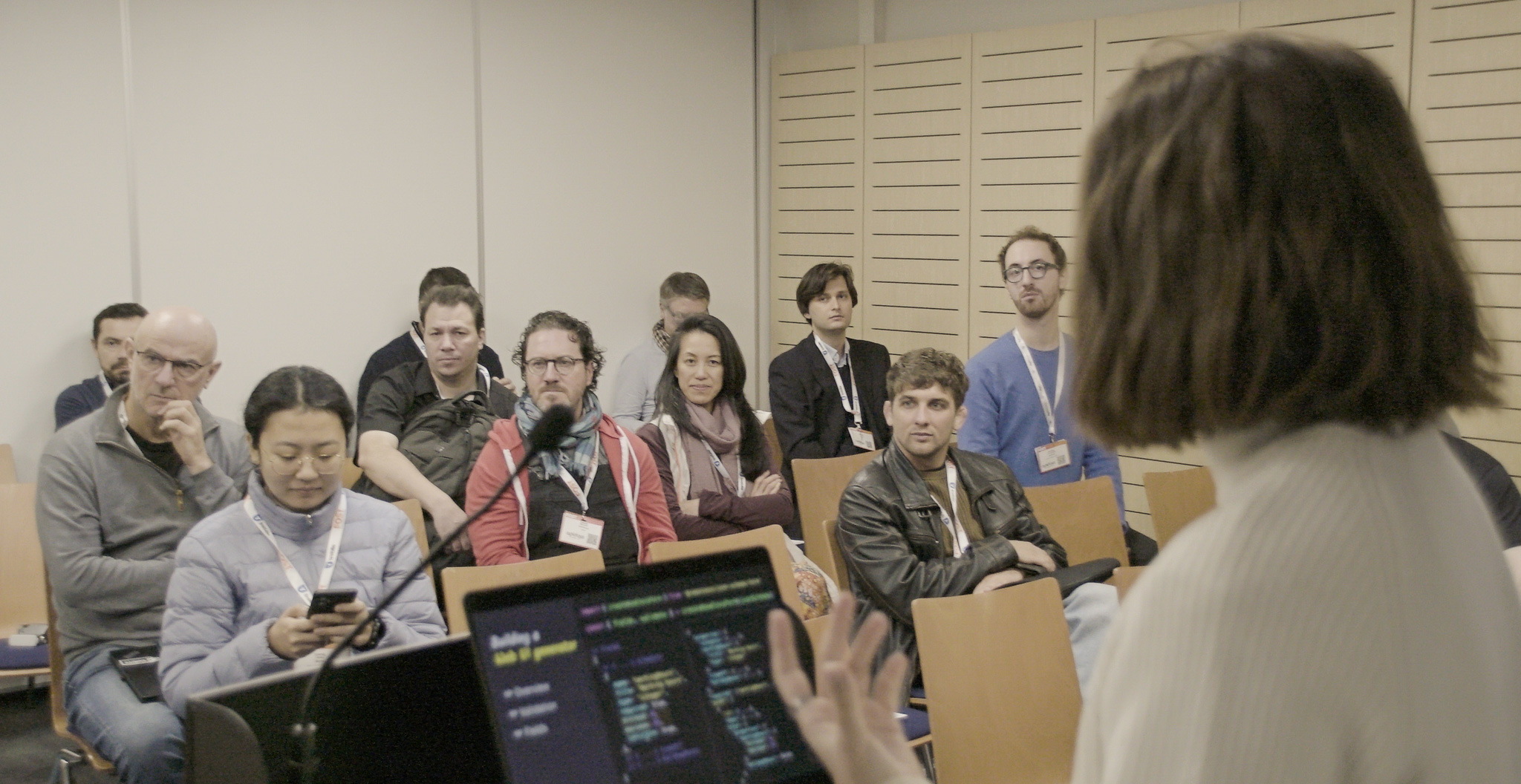
Sandrina Pereira, Staff Frontend Engineer at Remote, presented “Full-stack forms with JSON Schemas.” The session explored how JSON Schema can function as a Single Source of Truth across frontend and backend systems, reducing duplication while improving maintainability and developer experience at scale.
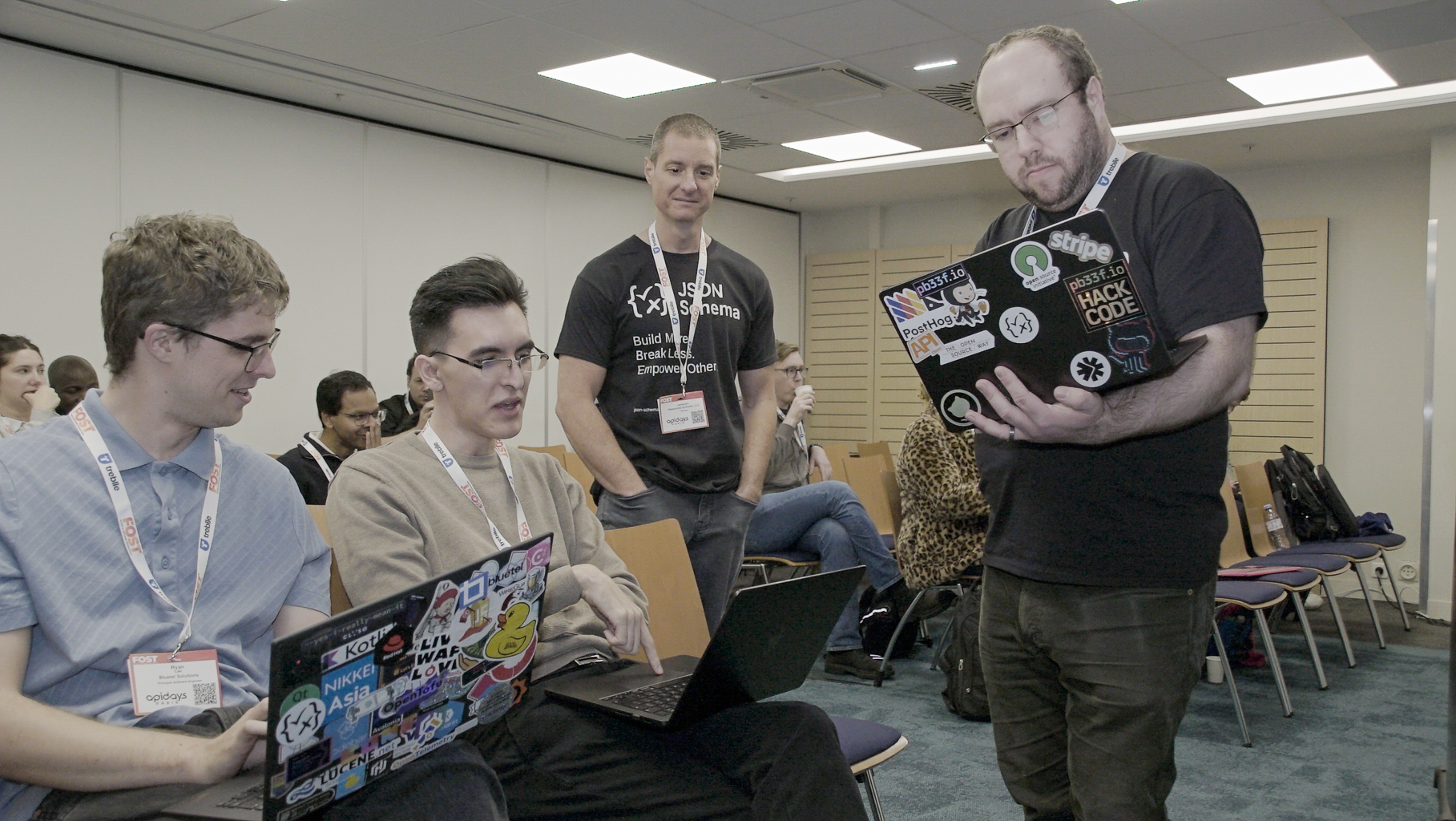
Ryan Lee, Principal Software Engineer at Bluetel Solutions, delivered “Go Chaff: What Is a JSON Schema Faker.” The talk introduced attendees to schema-driven synthetic data generation, including the challenges, edge cases, and practical applications behind schema faker tooling.
Enterprise Adoption and Ecosystem Sustainability
Enterprise adoption and ecosystem sustainability were also major areas of discussion during the conference.
Juan Cruz Viotti, Director at Sourcemeta, presented “Why Enterprises Struggle with JSON Schema And What It Takes To Fix It.” Drawing from direct experience working with enterprise teams through Sourcemeta, the session explored common adoption barriers including governance challenges, tooling limitations, organizational resistance, and performance bottlenecks. The discussion also highlighted the growing need for stronger schema tooling ecosystems capable of supporting large-scale production environments.
Beyond the technical discussions, the conference also focused on the sustainability and long-term growth of the JSON Schema ecosystem itself.
In “Evolving JSON Schema: Progress, Gaps, and the Road Ahead,” Onyedikachi Hope Amaechi-Okorie, Technical Community Advocate at JSON Schema, reflected on contributor growth, ecosystem coordination, tooling adoption, maintainer sustainability, and the importance of creating pathways for both technical and non-technical contributors to participate meaningfully in the project’s future. The session highlighted how ecosystem sustainability requires not only specification development, but also community infrastructure, onboarding systems, mentorship, governance, and contributor engagement.
The conference concluded with closing remarks from Ben Hutton, reflecting on the continued growth of the JSON Schema ecosystem and the collaborative work shaping its future.
Collaboration Across Organizations and Communities
The continued success of the JSON Schema conference track demonstrates the importance of collaboration across open standards communities, maintainers, enterprises, tooling vendors, and ecosystem contributors. As adoption continues growing, organizations supporting JSON Schema are contributing not only to tooling and implementation efforts, but also to the broader movement toward interoperable, machine-readable, and developer-friendly systems.
The ecosystem continues growing through contributors, maintainers, sponsors, conference speakers, implementers, and community members helping shape the future of schema-driven systems and here is how you can become part of the initiative:
- Become a sponsor: Gain visibility and support the standard's growth.
- Contribute to the project: Help us shape the future of JSON Schema development.
- Join our Slack workspace: Connect with the vibrant JSON Schema community.
The planning for JSON Schema Conference 2026 is already underway, and the ecosystem continues moving toward an exciting new phase shaped by collaboration, tooling innovation, AI integration, and broader adoption across industries.
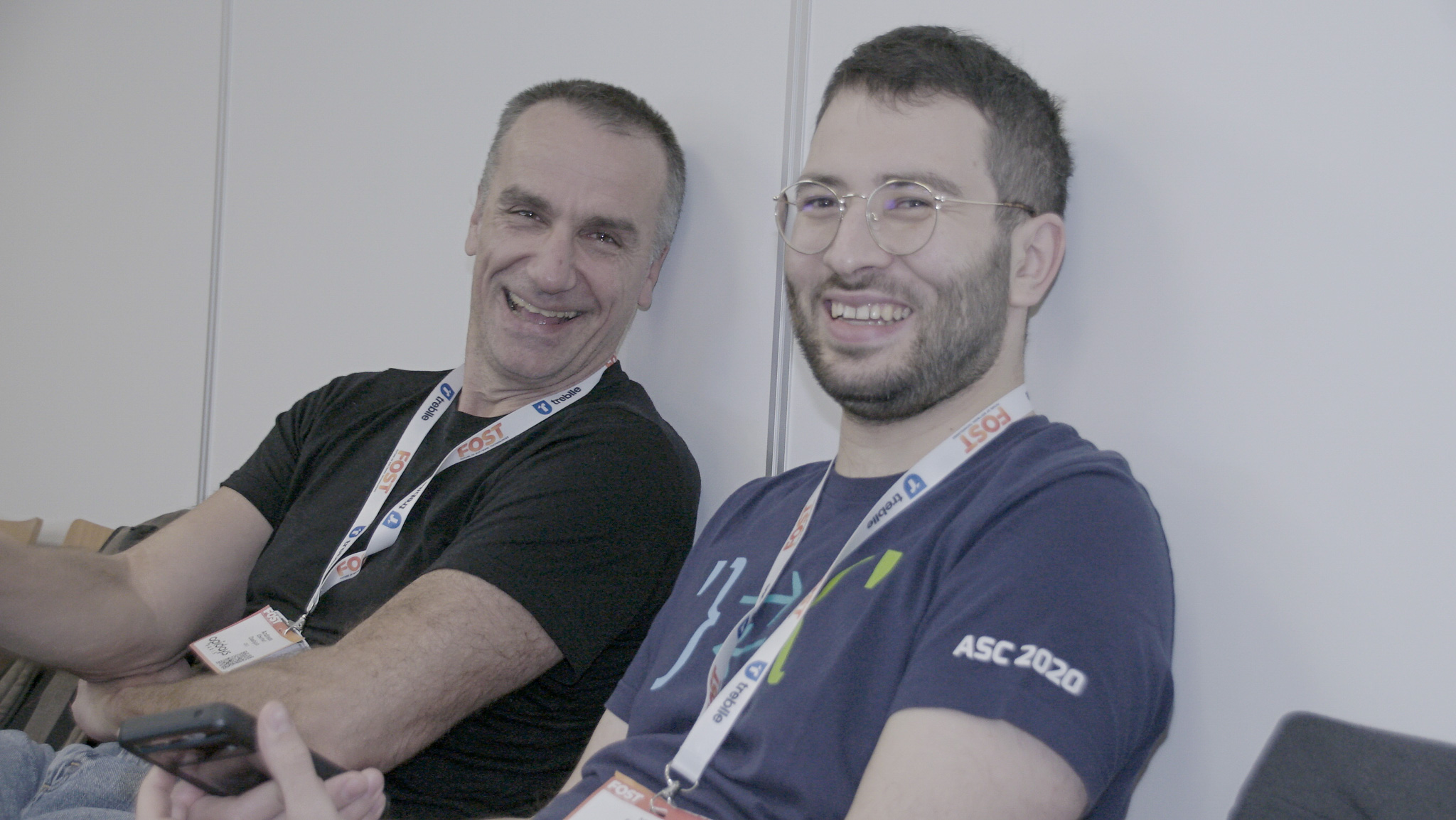
A final thank you to the speakers, sponsors, organizers, volunteers, partners, APIdays Paris, and every attendee who contributed to the discussions, feedback, and collaboration throughout the conference. We look forward to continuing the conversation and seeing the community again.
Acknowledgments: The author would like to thank Ben Hutton, Jason Desrosiers and Juan Cruz Viotti for their valuable feedback, which enhanced the quality of this article.